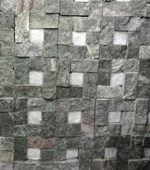
Sandstone Cladding UAE: Natural Stone Walls for Elegant Architecture
Sandstone Cladding UAE is an excellent choice for homeowners, architects, designers, and property developers looking to create distinctive walls and elegant architectural features. With its natural textures, warm earthy colors, and unique grain patterns, sandstone brings timeless beauty to residential, commercial, and hospitality projects.
Natural sandstone cladding can transform ordinary walls into attractive design features. From luxury villa facades and entrance walls to garden features, boundary walls, and selected interior spaces, sandstone offers a natural appearance that complements both traditional and contemporary architecture.
Whether you are designing a new property or renovating an existing building, Sandstone Cladding UAE provides an opportunity to combine natural character with practical architectural design.
What Is Sandstone Cladding?
Sandstone is a natural sedimentary rock formed from sand-sized mineral and rock particles that become compacted and cemented together over geological time. Most commercial sandstone varieties are quartz-based, although their mineral composition and cementing materials can differ.
Sandstone is available in a variety of natural colors, including beige, cream, yellow, golden, brown, red, grey, and white. Its visible grains and natural color variations give each stone piece a distinctive appearance.
Sandstone cladding refers to using prepared sandstone pieces or panels as a decorative and protective wall finish. Depending on the stone variety and project requirements, it can be installed on suitable interior or exterior walls.
One of the main attractions of Sandstone Cladding UAE is its ability to introduce natural textures and warm colors into architectural designs.
Popular Applications of Sandstone Cladding UAE
Sandstone can be considered for several architectural applications when the selected variety, thickness, fixing system, and environmental conditions are suitable.
1. Villa Exterior Facades
Sandstone cladding can add natural elegance to villa facades and exterior architectural features. Beige, golden, and cream sandstone shades can complement modern villa designs, landscaped gardens, and other natural building materials.
For exterior applications, the stone must be evaluated for weather exposure, water absorption, strength, and fixing requirements.
2. Entrance Walls and Feature Walls
A sandstone feature wall can create an attractive focal point at a villa entrance, reception area, or main architectural elevation.
Different stone textures and installation patterns can produce a distinctive appearance. Natural variations in grain and color also help create a wall design that feels authentic and individual.
3. Garden and Landscape Walls
Sandstone can complement outdoor landscape designs when used in suitable garden walls, decorative boundaries, and architectural landscape features.
Its earthy tones work naturally with plants, trees, gravel, and outdoor paving materials. The selected sandstone should be appropriate for the expected moisture and weather conditions.
4. Interior Feature Walls
Sandstone is not limited to exterior applications. Selected varieties can also be used for interior decorative walls in living rooms, reception areas, hotel spaces, and commercial interiors.
Textured sandstone surfaces can add depth and visual interest to spaces designed around natural materials, neutral colors, and contemporary furniture.
5. Commercial and Hospitality Projects
Hotels, restaurants, offices, and retail developments may use sandstone cladding to create distinctive architectural surfaces.
For commercial projects, designers should consider the expected maintenance requirements, surface characteristics, installation method, and long-term performance of the selected stone.
Benefits of Choosing Sandstone Cladding
There are several reasons why sandstone is considered for architectural wall applications:
Natural appearance: Sandstone features authentic grain patterns and individual color variations.
Warm color options: Beige, cream, golden, brown, red, and grey shades support different architectural styles.
Design flexibility: Different sizes, textures, and installation patterns create varied visual effects.
Architectural character: Natural stone can enhance villa facades, entrance walls, and decorative elevations.
Interior and exterior possibilities: Suitable sandstone varieties can be considered for selected indoor and outdoor applications.
Material versatility: Sandstone can complement wood, glass, metal, concrete, and other natural finishes.
The performance of sandstone depends on its mineral composition, cementing material, physical properties, and intended application. Therefore, not every sandstone variety is suitable for every cladding project.
How to Choose the Right Sandstone Cladding UAE
Selecting the appropriate sandstone is important for achieving an attractive and reliable installation. Consider these factors before purchasing:
Stone color: Choose a color that complements the building facade, surrounding materials, and overall architectural design.
Surface texture: Compare natural split, sawn, honed, brushed, and other available finishes according to the desired appearance.
Stone dimensions: Select suitable panel sizes and layouts for the wall design.
Thickness: Confirm that the stone thickness is appropriate for the proposed fixing or installation system.
Technical properties: Review strength, water absorption, density, and weathering performance.
Natural variation: Examine actual samples because sandstone can vary in grain, shade, and texture.
Installation requirements: Determine whether the project requires an appropriate adhesive system or mechanical fixing.
Maintenance: Understand the recommended cleaning and sealing procedures for the selected sandstone.
For professional guidance on sandstone characteristics and applications, explore the Natural Stone Institute’s sandstone information.
Sandstone Cladding Installation and Maintenance
Proper installation is essential for the performance and appearance of natural stone cladding. Before installation, the wall substrate should be assessed to confirm that it can support the weight of the selected stone and the proposed fixing system.
Depending on the stone dimensions, thickness, building height, and installation location, a suitable mechanical anchoring system may be required. Adhesive-based installation should only be used when the stone, substrate, system, and project conditions have been professionally approved.
For exterior walls, wind loads, moisture exposure, structural movement, drainage, and thermal conditions should be considered during the design process. Large-scale or elevated cladding projects should be designed and supervised by qualified professionals.
For routine maintenance, use suitable stone-cleaning products and avoid harsh chemicals unless their compatibility with the sandstone has been confirmed. Sealing may be recommended for certain varieties and applications, depending on porosity and exposure conditions.
Explore Natural Stone Solutions at SAVAN
Choosing a reliable natural stone supplier helps you find materials that match your architectural vision and project requirements. SAVAN offers natural stone and finishing materials for residential and commercial projects across the UAE.
Explore more architectural inspiration through our guide to Natural Stone Al Taweelah, which covers natural stone applications including wall cladding, facades, and other architectural features.
Before selecting sandstone for your project, review the available material specifications, compare actual samples, and confirm that the chosen variety is suitable for the intended application.
Final Thoughts: Enhance Your Architecture with Sandstone Cladding UAE
Sandstone Cladding UAE offers an attractive natural stone solution for distinctive architectural walls and decorative surfaces. Its warm colors, visible grain patterns, and natural textures make it a valuable design option for villa facades, entrance walls, garden features, interior feature walls, and selected commercial projects.
The best results depend on choosing the right sandstone variety, evaluating its technical properties, and using a suitable professional installation system.
Whether you are planning a luxury villa facade or a decorative interior wall, explore natural stone solutions at SAVAN and discover how sandstone can bring warmth, character, and timeless appeal to your architectural design.