Tiles for Restaurants Abu Dhabi: Choosing the Right Tiles for Restaurant Projects
Understanding Tiles for Restaurants Abu Dhabi
Choosing the right Tiles for Restaurants Abu Dhabi is an important part of creating attractive, functional, and easy-to-maintain restaurant spaces. Restaurants experience regular customer traffic, frequent cleaning, food and beverage spills, and different levels of moisture depending on the area. For this reason, tile selection should consider both the visual design and the practical requirements of the space.
Restaurant projects may include dining areas, entrances, reception counters, kitchens, food preparation areas, bathrooms, corridors, cafés, outdoor seating areas, and service spaces. Each location can require different tile characteristics depending on traffic, moisture exposure, cleaning frequency, maintenance needs, and the overall interior concept.
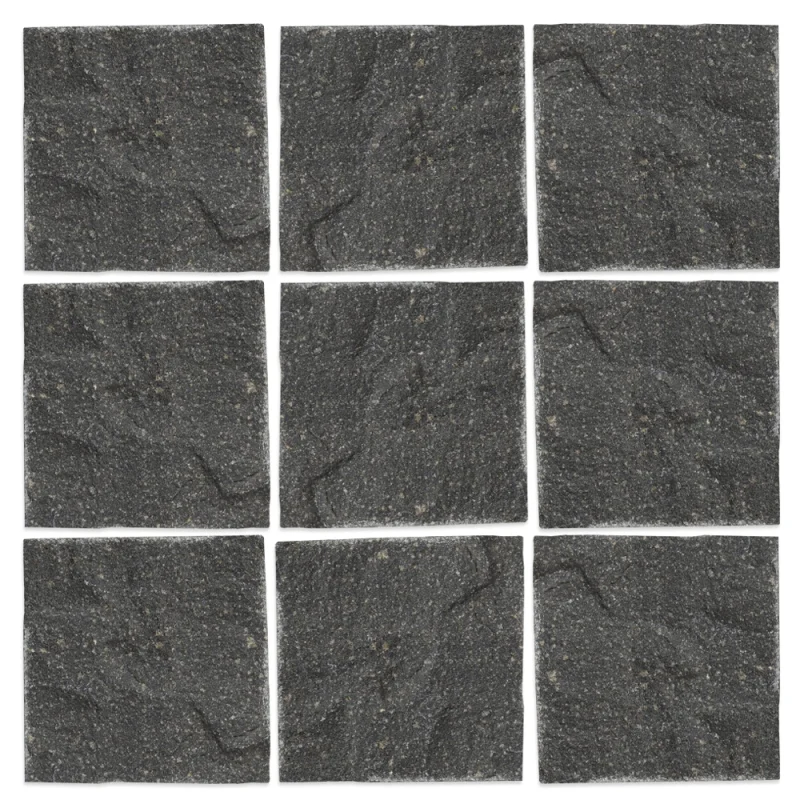
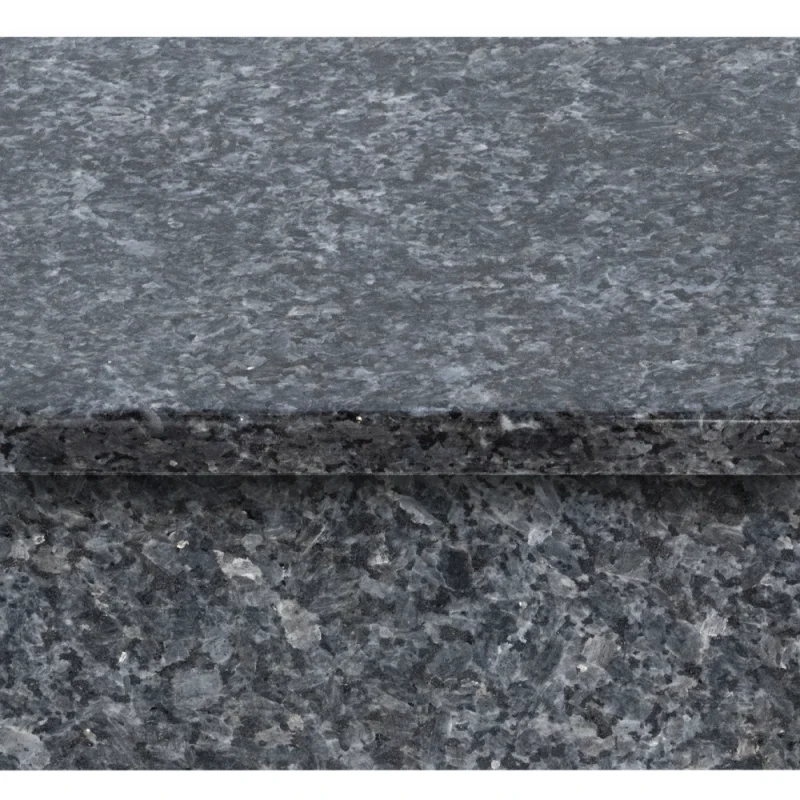
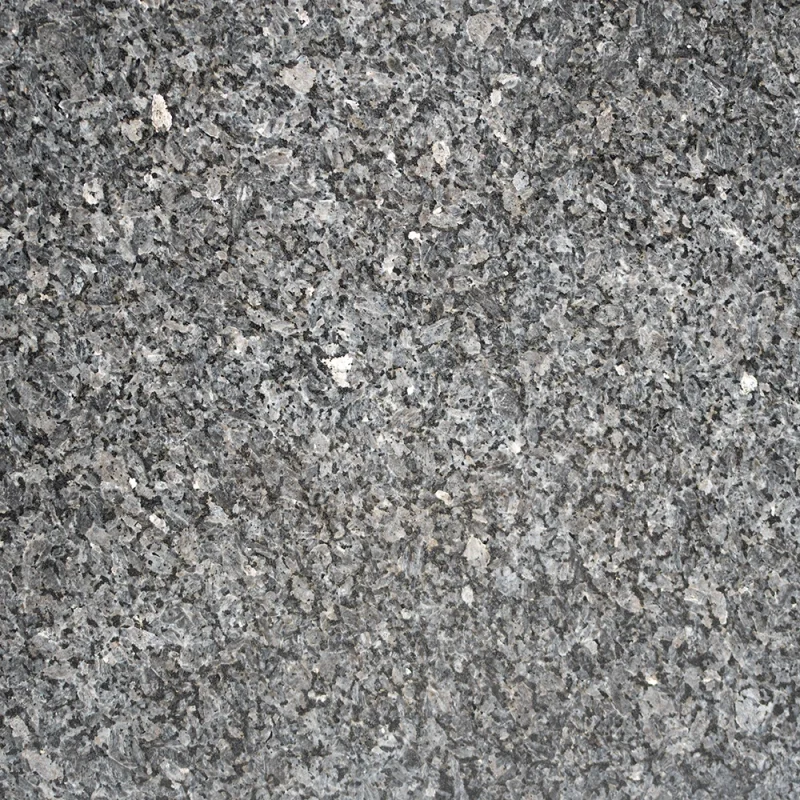
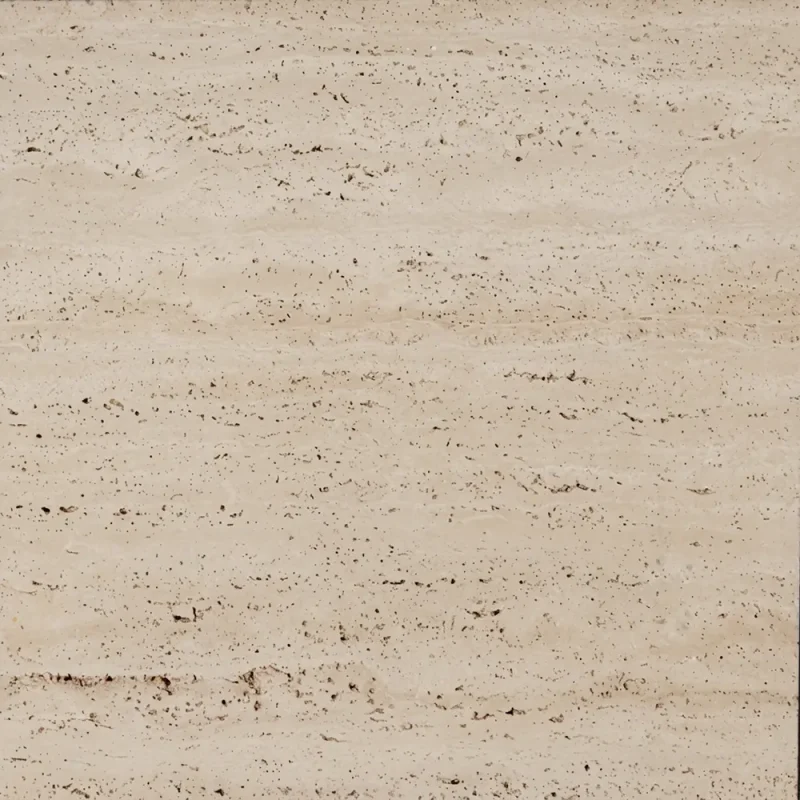
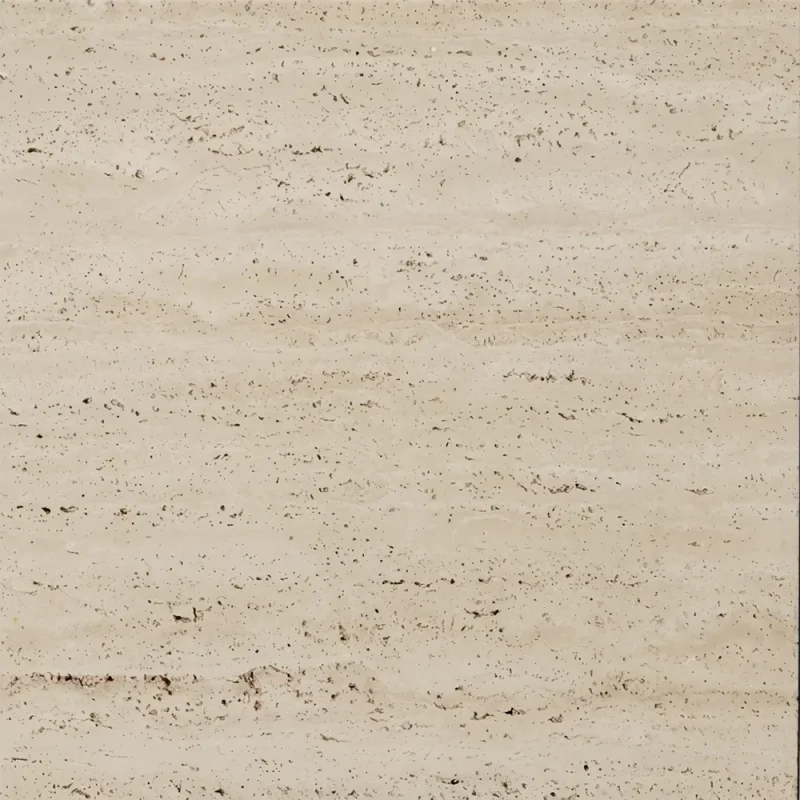
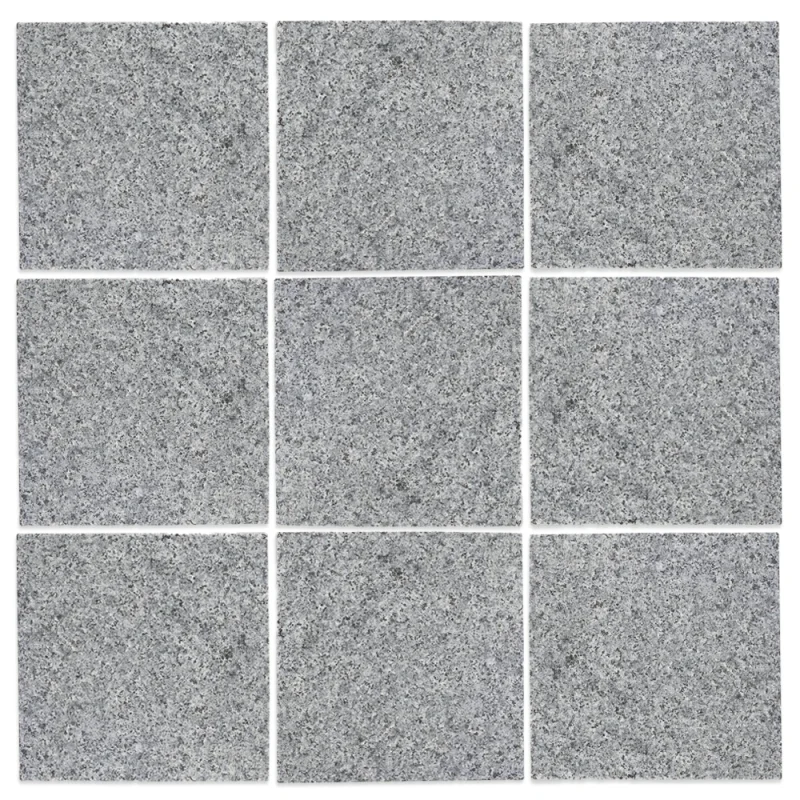
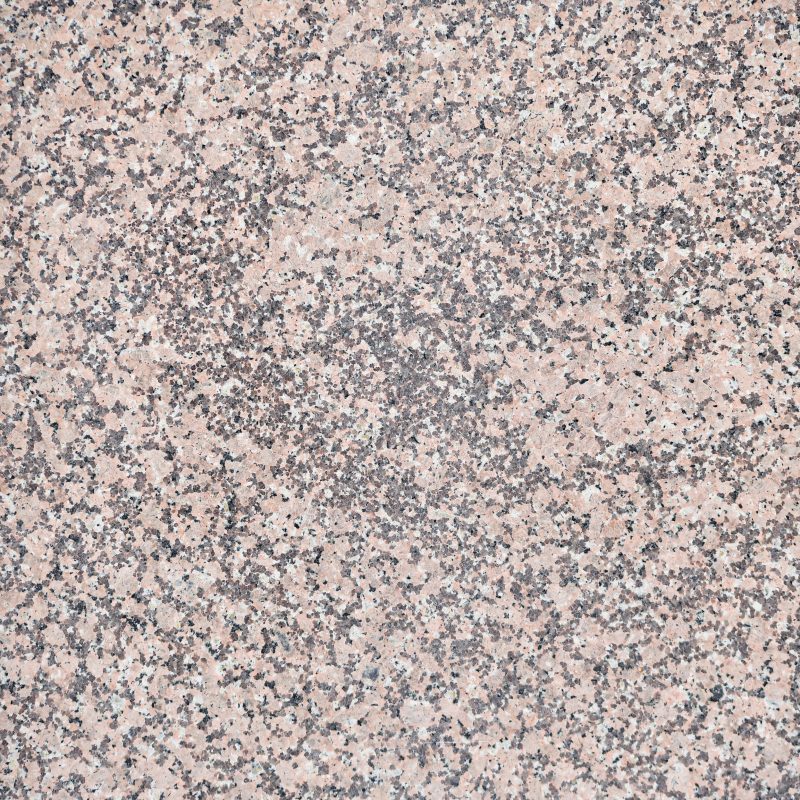
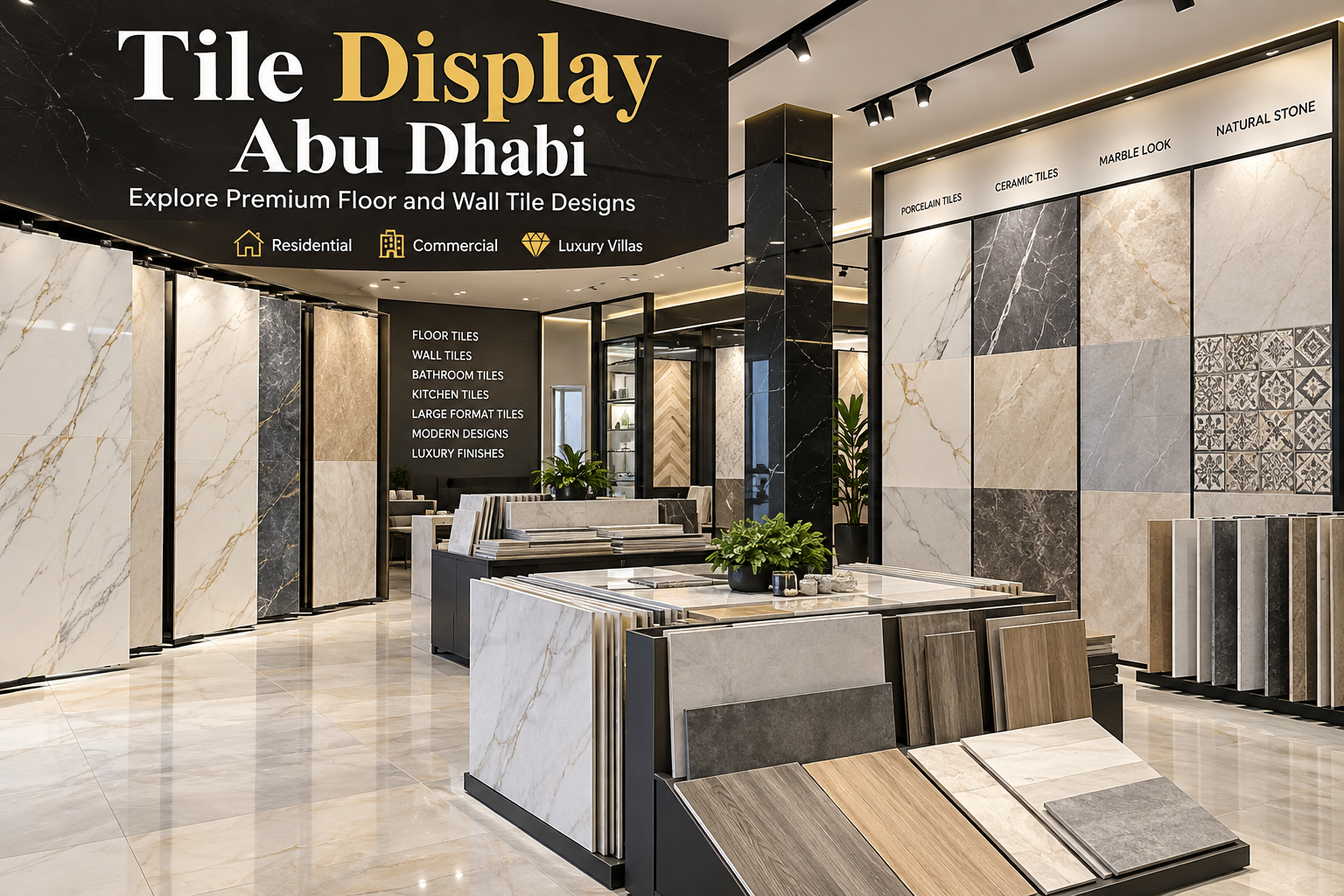
Popular options for restaurant projects include porcelain, ceramic, marble-look, stone-look, terrazzo-look, concrete-look, wood-look, decorative, and large-format tiles. The appropriate product should be selected according to the intended application, technical specifications, design requirements, and long-term maintenance needs.
What to Consider When Choosing Tiles for Restaurants in Abu Dhabi?
Tile Material and Durability
Tile material is one of the first factors to consider when planning restaurant flooring and wall finishes. Suitable porcelain and ceramic tiles can provide a combination of durability, design flexibility, and practical maintenance for different restaurant applications.
Before purchasing, restaurant owners, designers, contractors, and project managers should review the manufacturer's technical information. Important details can include water absorption, surface characteristics, thickness, recommended application, cleaning requirements, and expected performance.
For busy dining areas and service spaces, selecting a tile designed for the intended level of use can help support long-term functionality while maintaining the desired appearance.
Tile Size, Thickness, and Format
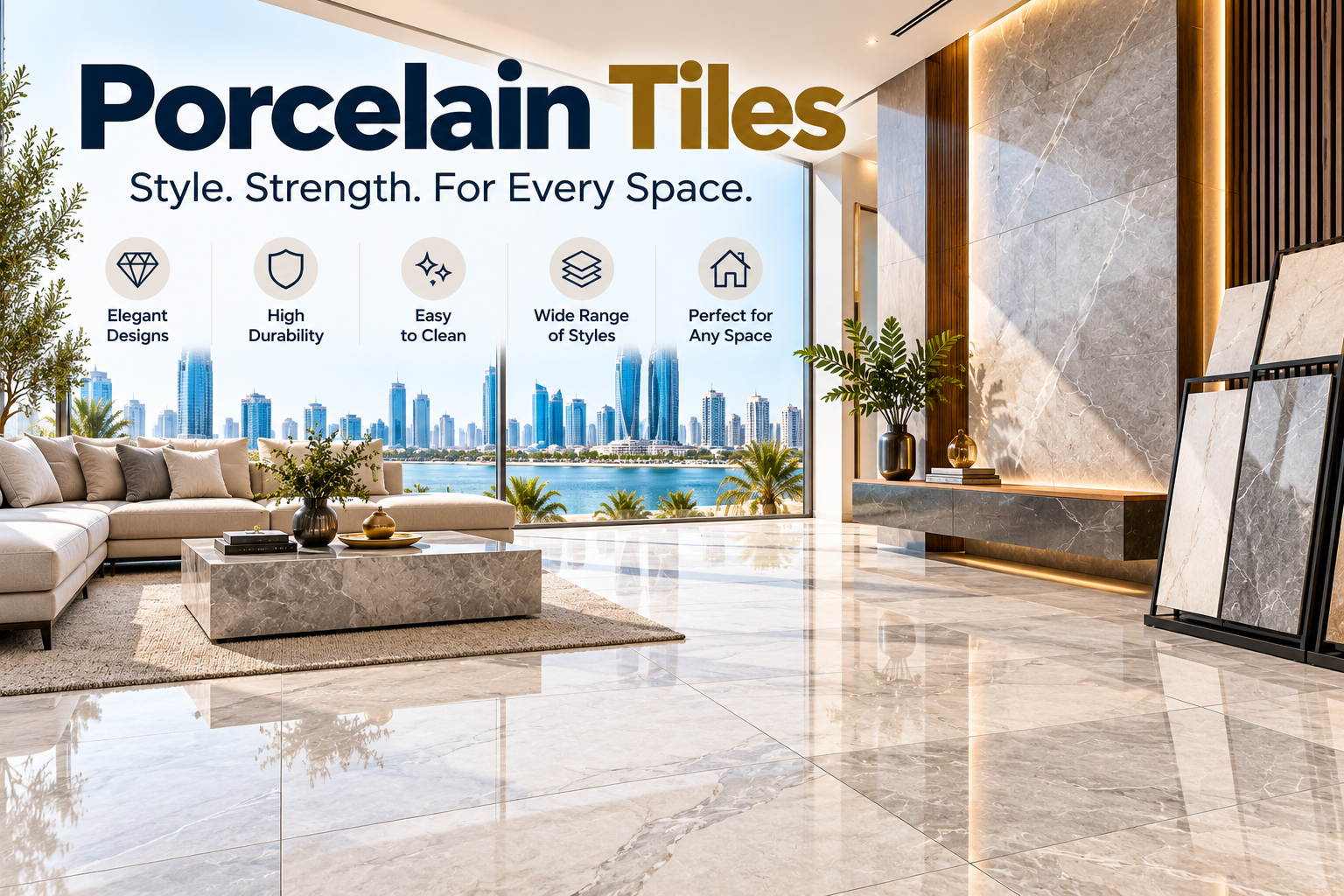
Tile size can influence the visual appearance of a restaurant as well as installation requirements. Large-format tiles can create a clean and contemporary appearance with fewer visible grout joints, making them suitable for spacious dining areas, restaurant entrances, hotel restaurants, and modern cafés.
Standard and medium-sized tiles can provide greater flexibility in bathrooms, kitchens, service areas, and smaller restaurant spaces. The appropriate size and thickness should be selected according to the substrate, installation method, room dimensions, and intended application.
Design, Color, and Surface Finish
Restaurant tiles contribute significantly to the overall atmosphere of the dining environment. Marble-look tiles can create an elegant appearance in premium restaurants, while stone-look and concrete-look designs can complement contemporary interiors. Wood-look and terrazzo-look tiles can also add warmth and visual character to cafés, casual dining spaces, and hospitality interiors.
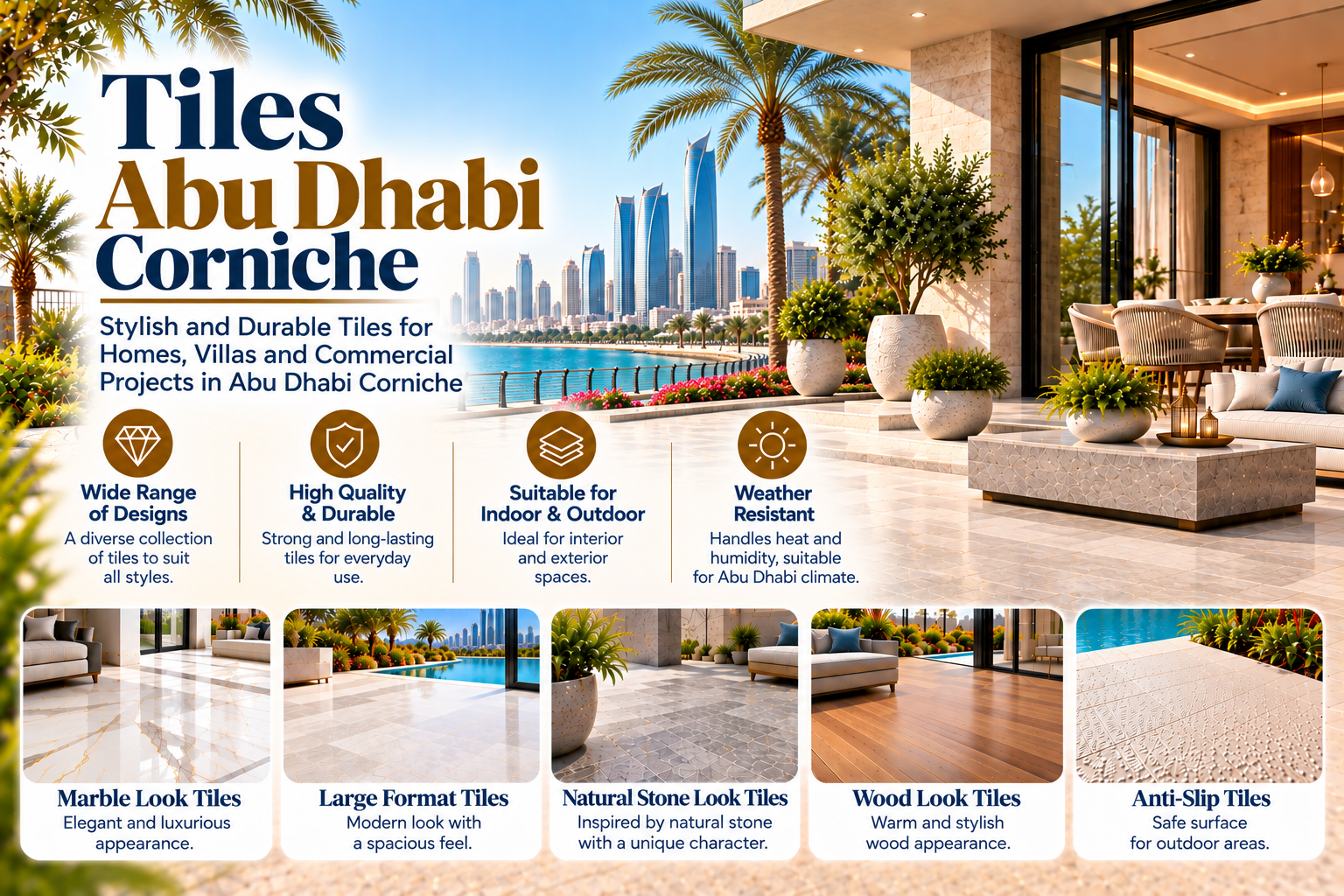
Surface finish should be selected according to the specific area. Wet areas and spaces exposed to frequent cleaning may require suitable slip resistance. Abu Dhabi's International Accessibility Standards state that floor surfaces should be stable, firm, slip-resistant, and glare-resistant. Project teams should review the requirements applicable to their specific development.
Tiles for Restaurants in Different Areas of Abu Dhabi
Restaurant projects across Abu Dhabi can have different tile requirements depending on the location, property type, restaurant concept, and intended use.
In Mussafah, restaurants and commercial properties may benefit from practical and durable tile solutions designed for regular use, cleaning, and maintenance.
In Khalifa City and Mohammed Bin Zayed City, restaurants, cafés, and mixed-use properties can use porcelain, ceramic, marble-look, stone-look, and wood-look collections to combine practical performance with contemporary design.
For restaurants and hospitality projects on Yas Island and Saadiyat Island, large-format porcelain, marble-look, stone-look, and decorative tiles can complement modern architectural concepts and premium dining environments.
In Al Reem Island and Al Raha, restaurant interiors may require coordinated floor and wall tile solutions for dining areas, entrances, bathrooms, kitchens, and service spaces.
Areas such as Al Shamkha, Baniyas, and Al Bateen can also benefit from restaurant tile collections selected according to the property design, customer traffic, cleaning requirements, and project budget.
How to Choose the Right Tiles for Restaurants Abu Dhabi?
Before ordering tiles for a restaurant project, consider the following:
- Intended application and location
- Tile material and technical specifications
- Tile size, thickness, and format
- Color, texture, and overall design
- Surface finish and slip resistance
- Water absorption and moisture exposure
- Cleaning and long-term maintenance requirements
- Suitability for floors or walls
- Available quantities and project requirements
- Production batch consistency
- Physical samples and product information
- Delivery and installation requirements
- Overall project budget
Physical tile samples can also help restaurant owners, designers, and contractors evaluate the actual color, texture, pattern, and surface finish under the project's lighting conditions before placing a larger order.
Why Choose a Reliable Restaurant Tile Supplier?
A reliable tile supplier can make the selection and purchasing process more organized by providing clear product information, technical specifications, samples, available quantities, and application guidance.
For restaurant projects, consistency is particularly important when large areas use the same tile collection. Confirming product availability and production batch information before ordering can help maintain a more consistent appearance across dining areas, corridors, bathrooms, and other spaces.
A knowledgeable supplier can also help project teams compare different materials, formats, finishes, and design options according to the intended application and maintenance requirements.
Conclusion
Choosing the right Tiles for Restaurants Abu Dhabi involves more than selecting a design that matches the restaurant's interior. Restaurant owners and project teams should consider durability, tile material, size, thickness, surface finish, slip resistance, maintenance, technical specifications, availability, and project requirements.
From dining areas and entrances to kitchens, bathrooms, cafés, and outdoor seating spaces, each part of a restaurant may require a different tile solution. Comparing physical samples and product information can help project teams make more informed selections, while working with a reliable tile supplier can support a more organized purchasing and installation process.