تقوس بلاط الرخام والرطوبة: الأسباب وطرق الوقاية والحلول الفعالة
فهم مشكلة تقوس بلاط الرخام والرطوبة
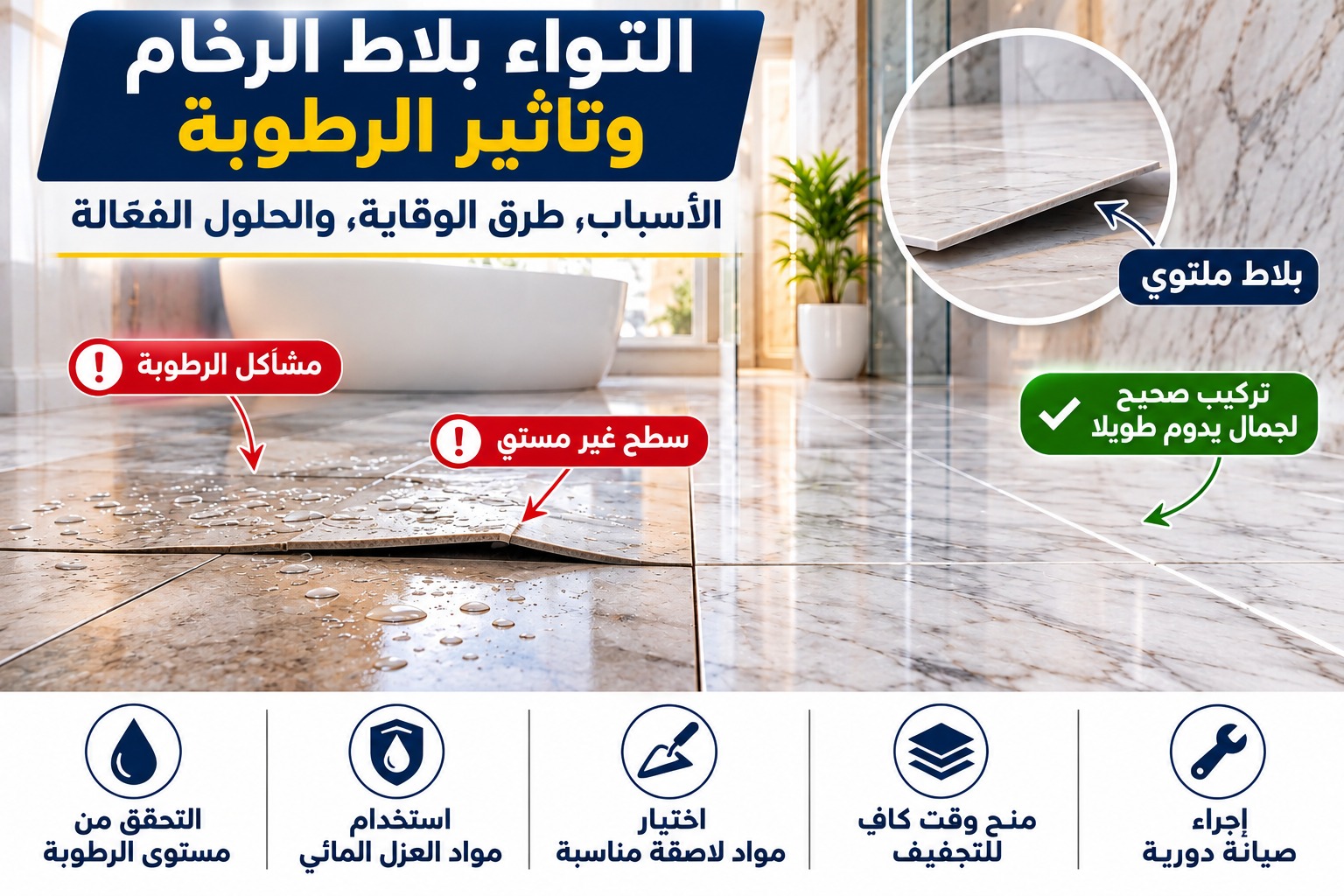
يشير مصطلح تقوس بلاط الرخام والرطوبة (Marble Tile Warping and Moisture) إلى مشكلات الأرضيات التي تحدث عندما تؤثر الرطوبة في تركيب الرخام أو المواد اللاصقة أو السطح الأساسي، مما قد يؤدي إلى عدم استواء الأسطح، أو ارتفاع حواف البلاط، أو ارتخاء بعض القطع، أو حدوث تغيرات ملحوظة في المظهر.
يتميز الرخام الطبيعي بالمتانة، لكنه حجر مسامي يمكنه امتصاص السوائل. ولا يتعرض حجر الرخام نفسه عادةً للتقوس في الظروف الداخلية الطبيعية، ولكن قد تؤثر الرطوبة في المواد الموجودة أسفله وفي ثبات نظام التركيب.
Common Causes of Marble Tile Warping and Moisture Problems
Several factors can contribute to Marble Tile Warping and Moisture problems in a marble floor.
1. Excessive Moisture Beneath Marble Tiles
Moisture trapped beneath tiles may affect the adhesive or installation system. If the substrate remains damp, bonding problems, tile movement, and uneven flooring may develop. This is one of the key conditions to investigate when Marble Tile Warping and Moisture is suspected.
2. Improper Installation Materials
Using unsuitable adhesives, mortar, or fixing materials can create installation problems. Products should be appropriate for natural stone, tile dimensions, substrate conditions, and the intended application. Incorrect materials can contribute to failures that may be mistaken for moisture-related damage.
3. Moisture in the Subfloor
Concrete slabs and screeds may retain moisture after construction or cleaning. Installing marble before the substrate reaches the required moisture condition can increase the risk of defects. Proper testing helps identify this risk before Marble Tile Warping and Moisture affects the finished floor.
4. Temperature and Humidity Changes
Changes in temperature and humidity can contribute to movement in building materials. If expansion joints and suitable installation details are overlooked, stress may develop within the flooring system.
5. Water Leakage and Poor Drainage
Leaks from plumbing systems, bathrooms, balconies, or nearby areas can introduce moisture beneath the marble installation. Poor drainage may make the problem worse over time and increase the likelihood of Marble Tile Warping and Moisture-related damage.
Signs of Moisture-Related Marble Tile Problems
Recognizing early signs of Marble Tile Warping and Moisture can help prevent further damage. Common warning signs include:
Raised or uneven tile edges.
Loose marble tiles or reduced adhesive bonding.
Cracked grout joints.
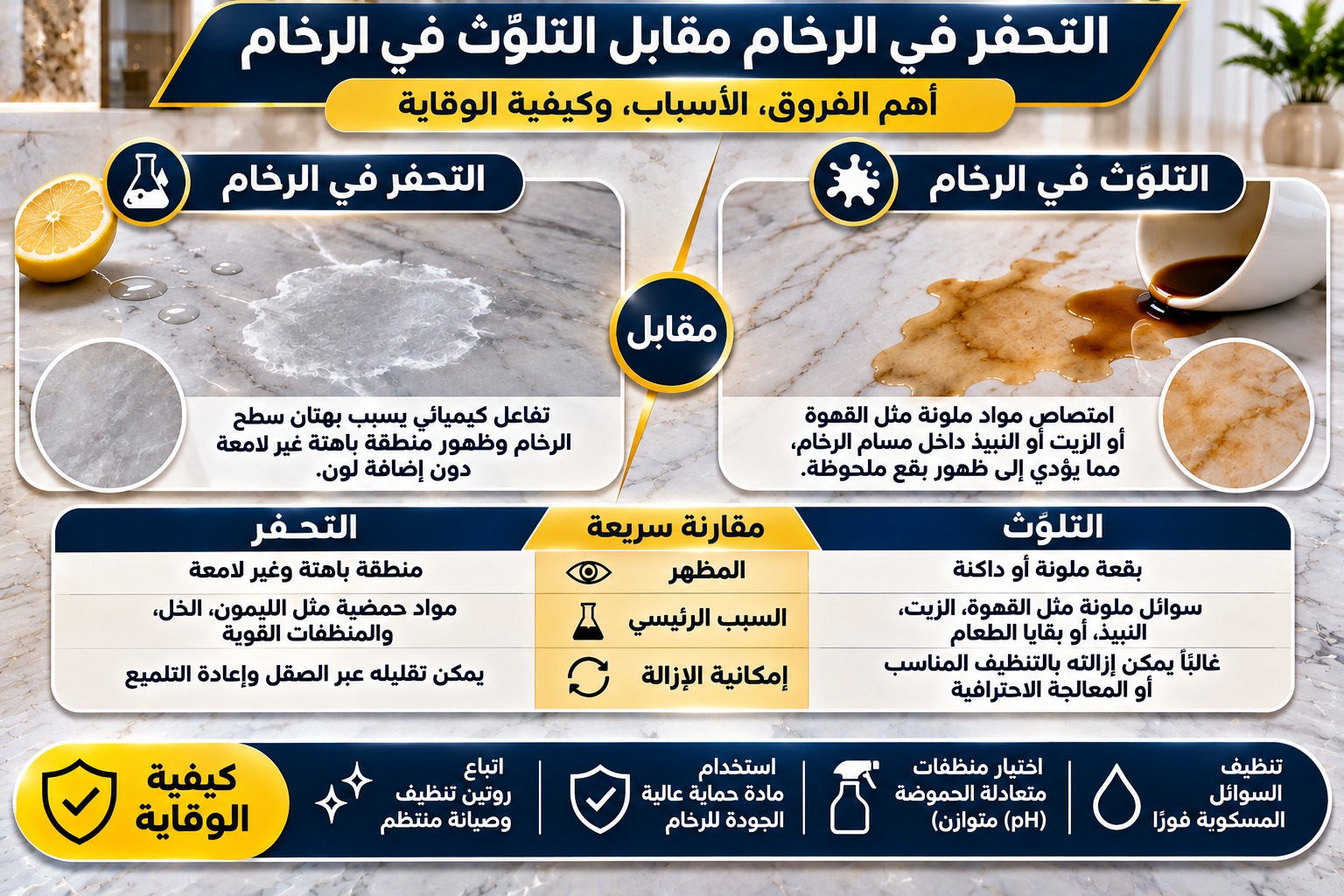
Dark patches or moisture stains.
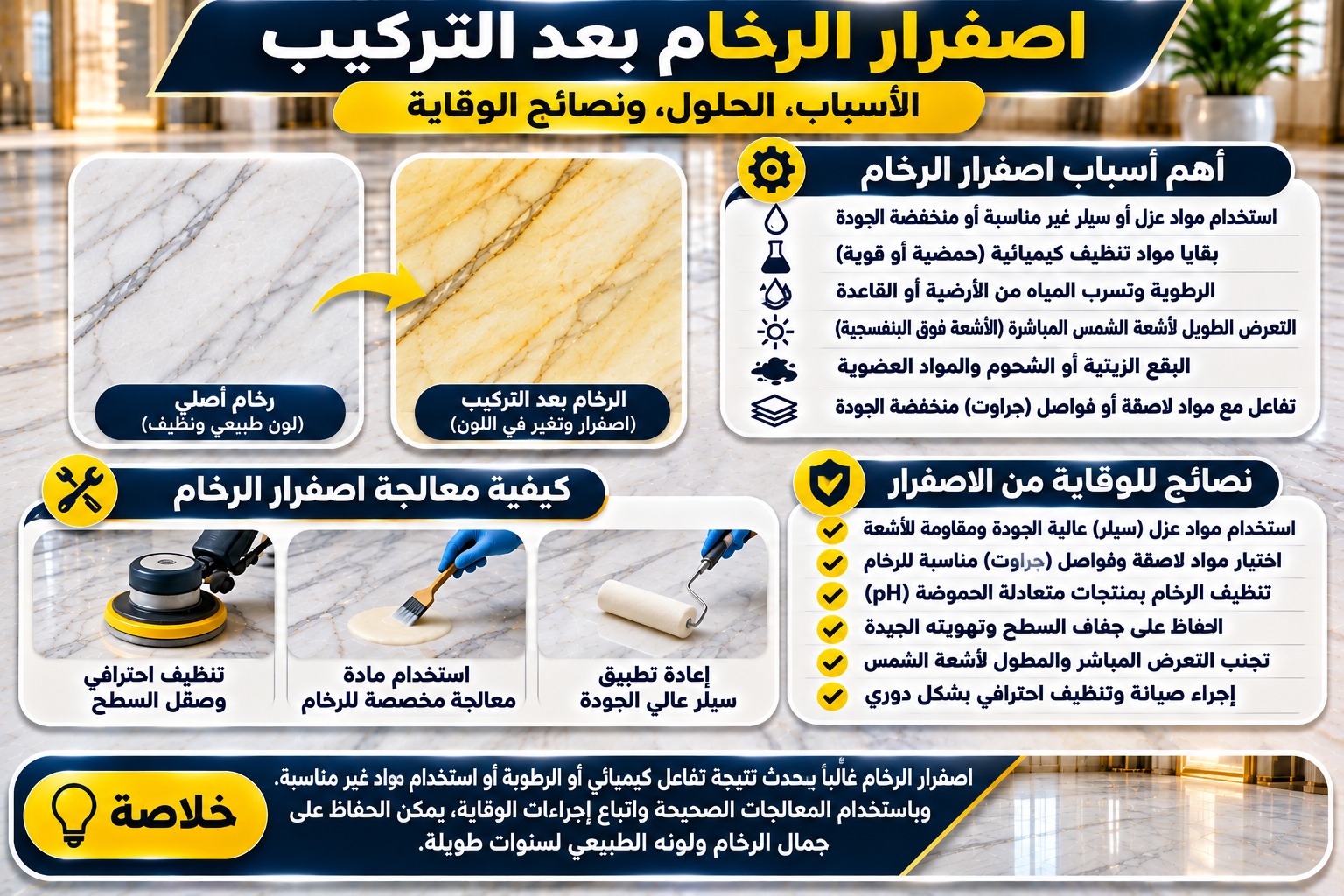
Changes in marble color.
Hollow sounds when tapping certain tiles.
Persistent dampness around floor edges or joints.
These symptoms do not always mean the marble itself has warped. Uneven tiles may result from poor installation, substrate movement, or other conditions. A proper inspection is needed to identify the cause.
How to Prevent Marble Tile Warping and Moisture Problems
Prevention should begin before installation and continue throughout the life of the flooring. These steps can reduce the risk of Marble Tile Warping and Moisture problems.
1. Check Subfloor Moisture Before Installation
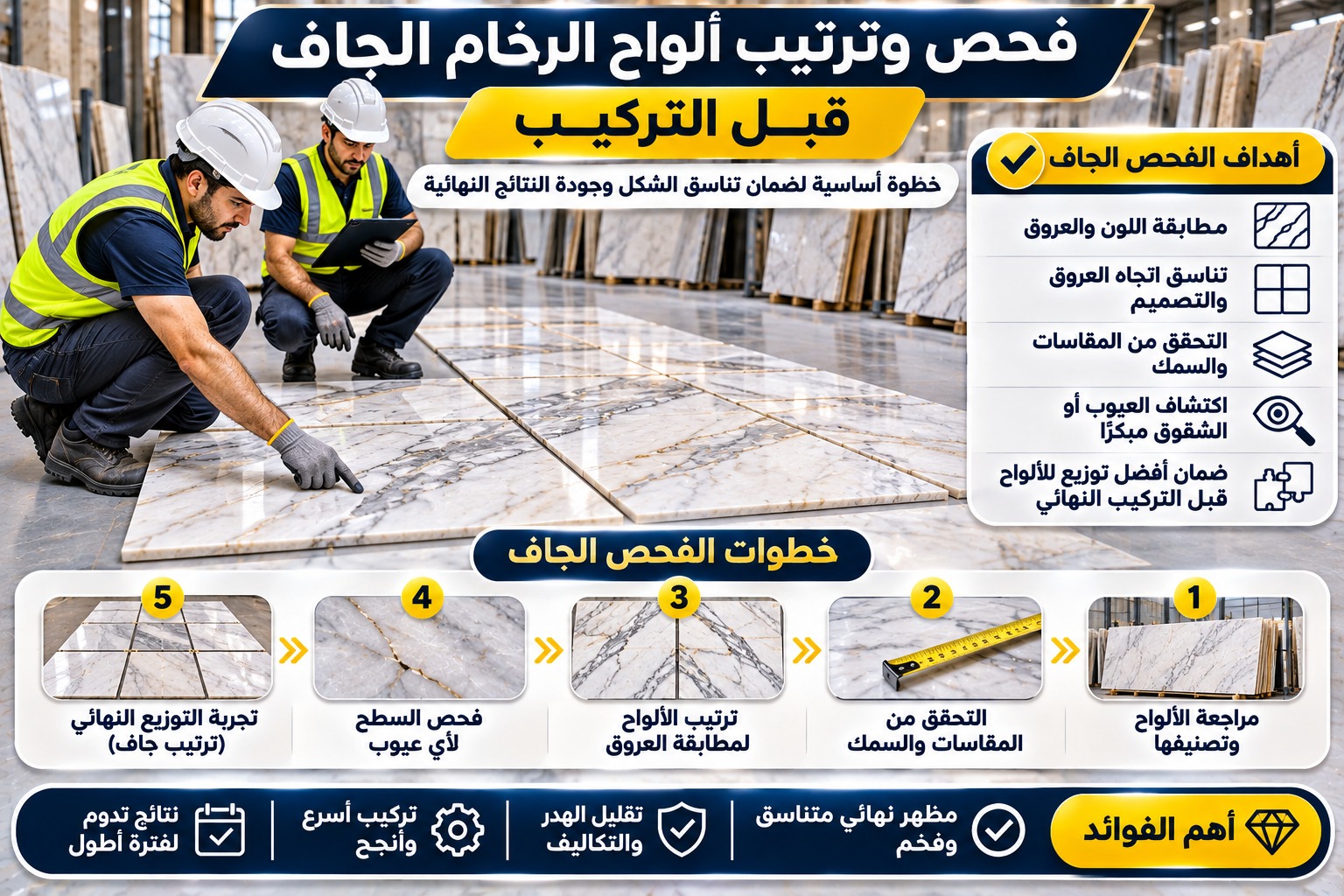
The substrate should be inspected and tested using an appropriate method before marble tiles are installed. Work should proceed only when moisture conditions meet the requirements of the selected materials.
2. Choose Suitable Installation Materials
Use adhesives and installation systems specifically recommended for natural stone. Consider the marble type, tile dimensions, substrate, and project conditions.
3. Apply Proper Waterproofing
Wet areas such as bathrooms and shower spaces require a suitable waterproofing system beneath the finished surface. Follow the manufacturer’s technical instructions and ensure that joints and penetrations are properly treated.
4. Allow Proper Drying Time
Concrete, screed, adhesives, and other installation materials need sufficient time to dry or cure. Following the recommended schedule helps reduce moisture-related complications.
5. Provide Appropriate Movement Joints
Movement joints help accommodate expansion and contraction within the flooring system. Their location and design should follow project specifications and applicable installation guidelines.
How to Fix Marble Tiles Affected by Moisture
The correct solution for Marble Tile Warping and Moisture depends on the source and severity of the problem.
For moisture stains: Identify and eliminate the moisture source before using suitable stone-cleaning or stain-removal treatments.
For loose tiles: Remove affected pieces carefully, inspect the substrate, and reinstall them using compatible materials.
For uneven surfaces: Determine whether the issue comes from installation defects, substrate movement, or moisture-related damage.
For persistent dampness: Inspect plumbing, waterproofing, drainage, and surrounding construction elements.
For damaged marble: Ask a stone restoration specialist whether professional repair or tile replacement is necessary.
Avoid strong chemicals or excessive water on marble surfaces. Test cleaning products on a small, inconspicuous area and follow the manufacturer’s recommendations.
Marble Tile Warping and Moisture in Bathrooms and Other Wet Areas
Bathrooms, kitchens, laundry rooms, and balconies need special attention because they are regularly exposed to water and humidity. To reduce Marble Tile Warping and Moisture risks, inspect grout joints, sealant, drainage points, and areas around plumbing fixtures regularly.
Clean marble using a pH-neutral stone cleaner and a soft cloth or mop. Sealing may help reduce liquid absorption through the stone, but it does not replace proper waterproofing beneath the tiles. The right maintenance routine depends on the marble type, finish, and level of exposure.
For additional guidance, consult the Natural Stone Institute’s Care and Cleaning Guide for recommendations on maintaining natural stone surfaces.
اختيار رخام عالي الجودة مع متجر سافان
يُعد اختيار الرخام المناسب خطوة مهمة للحصول على أرضيات متينة وجذابة. عند التخطيط للمشروع، يجب مراعاة نوع الحجر وأبعاده وسُمكه وتشطيب سطحه والاستخدام المخصص له. كما يساعد الإعداد الجيد على تقليل العوامل المرتبطة بمشكلات تقوس بلاط الرخام والرطوبة
استكشف الخيارات المتاحة من خلال متجر سافان، وتصفح مجموعة الأحجار الطبيعية لاكتشاف خيارات الأحجار الطبيعية المناسبة للمشروعات السكنية والتجارية. ويساهم الاختيار الصحيح للخامات، واختبار الرطوبة، والاستعانة بمتخصصين في التركيب في الحصول على نتائج موثوقة تدوم طويلًا.
الخاتمة
يمكن أن تؤثر مشكلات تقوس بلاط الرخام والرطوبة (Marble Tile Warping and Moisture) في مظهر أرضيات الرخام وثباتها وأدائها عندما لا تتم معالجة الرطوبة أو استخدام مواد تركيب غير مناسبة أو تجهيز السطح الأساسي بالشكل الصحيح. وعلى الرغم من أن حجر الرخام نفسه لا يُتوقع عادةً أن يتقوس في الظروف الداخلية الطبيعية، فإن الرطوبة قد تؤدي إلى ضعف التصاق المواد اللاصقة، وعدم استواء الأسطح، وظهور البقع، وحدوث عيوب أخرى في التركيب.
يساعد فهم مشكلات تقوس بلاط الرخام والرطوبة أصحاب العقارات على اتخاذ الإجراءات الوقائية المناسبة. ويُعد فحص السطح الأساسي، واختيار مواد التركيب المناسبة، وتطبيق العزل المائي بشكل صحيح، والاهتمام بصيانة الأرضيات من الخطوات الأساسية للحصول على نتائج متينة تدوم لفترة طويلة.