Marble Etching vs Staining: Understand the Difference and How to Treat Each
Understanding Marble Etching vs Staining
Marble is a beautiful natural stone used in floors, countertops, bathrooms, walls, and luxury interiors. However, its surface can develop marks caused by everyday spills and cleaning products. Understanding Marble Etching vs Staining is essential because these two problems look similar but require different treatments.
The main difference is that etching affects the stone’s surface finish, while staining happens when a substance penetrates the marble and changes its colour. Choosing the wrong treatment can make the damage more noticeable.
What Is Marble Etching?
Marble etching is a chemical reaction that occurs when acidic substances come into contact with the stone. Since marble contains calcium carbonate, acids can react with its surface and leave dull, lighter, or rough-looking marks.
Common causes of marble etching include:
Lemon juice and citrus fruits.
Vinegar and acidic cleaning products.
Tomato sauce and certain food spills.
Soft drinks and acidic beverages.
Improper bathroom or kitchen cleaners.
When comparing Marble Etching vs Staining, remember that etching is surface damage rather than simply dirt or a coloured substance. Polished marble may show dull spots more clearly because the affected area loses its original shine.
What Is Marble Staining?
Marble staining occurs when liquids or other substances penetrate the stone and cause discolouration. Marble is naturally porous, so certain materials can enter its surface and leave visible marks.
Common sources of marble stains include:
Cooking oil and grease.
Coffee and tea.
Wine and coloured beverages.
Cosmetics and personal-care products.
Rust from metal objects.
Food and organic materials.
Stains often appear as darker or differently coloured areas, depending on the material that entered the stone. Some can be treated with suitable cleaning methods or a professional poultice.
Marble Etching vs Staining: Key Differences
Understanding Marble Etching vs Staining helps identify the correct solution before attempting repairs.
| Feature | Marble Etching | Marble Staining |
|---|
| Main cause | Chemical reaction with acids | Substance penetrating the stone |
| Appearance | Dull, lighter, or rough marks | Discoloured or darker areas |
| Affected area | Surface finish | Stone pores or deeper areas |
| Common triggers | Lemon, vinegar, acidic cleaners | Oil, coffee, wine, rust |
| Typical treatment | Professional polishing | Suitable cleaning or poultice |
The distinction is important because a stain remover will not restore an etched surface. Similarly, polishing alone may not remove a deep stain.
How to Treat Marble Etching
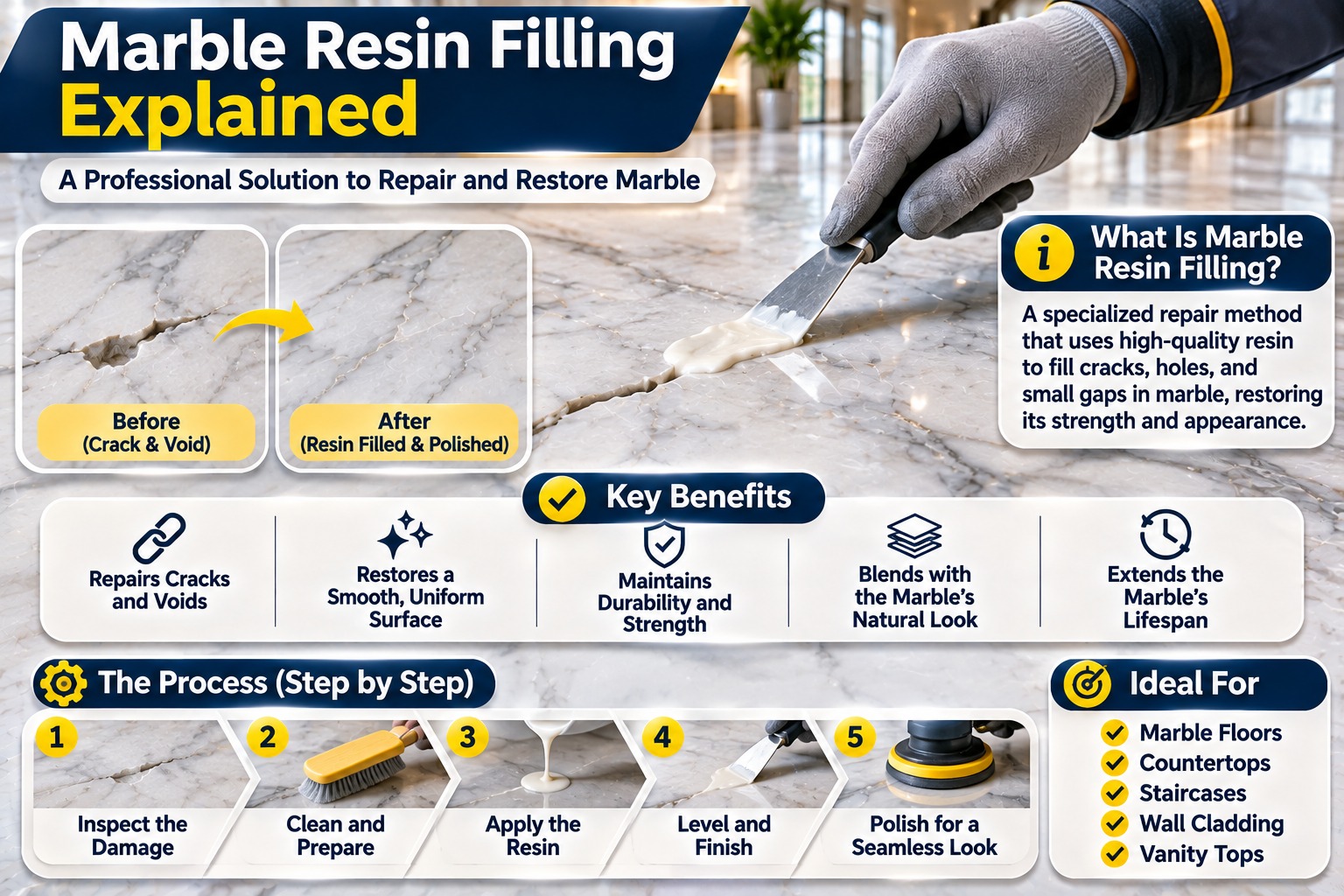
Treating etching usually involves restoring the damaged surface rather than simply cleaning it. Minor etching may sometimes respond to a polishing product specifically designed for marble.
For more noticeable damage, professional restoration may be necessary. A specialist can assess the affected area and determine whether honing or polishing is required.
When dealing with Marble Etching vs Staining, avoid using vinegar, acidic cleaners, abrasive powders, or unapproved chemicals. These products may cause additional damage.
How to Remove Marble Stains
The correct stain-removal method depends on the substance responsible for the discolouration.
Follow these general precautions:
Blot spills immediately using a clean, soft cloth.
Avoid wiping aggressively because this may spread the substance.
Clean the area with a suitable pH-neutral stone cleaner.
Rinse according to the cleaner’s instructions and dry the surface.
Consult a stone-care professional if the stain remains.
A professional may recommend a suitable poultice to draw certain stains out of the marble. Always identify the stain type before selecting a treatment.
The Natural Stone Institute provides useful guidance on removing stains from natural stone.
How to Prevent Marble Etching vs Staining
Preventing Marble Etching vs Staining problems starts with regular maintenance and careful product selection.
Wipe spills as soon as possible.
Use coasters under drinks.
Place cutting boards under food preparation activities.
Avoid acidic household cleaners.
Clean marble with suitable pH-neutral products.
Use mats or trays beneath oil and cosmetic containers.
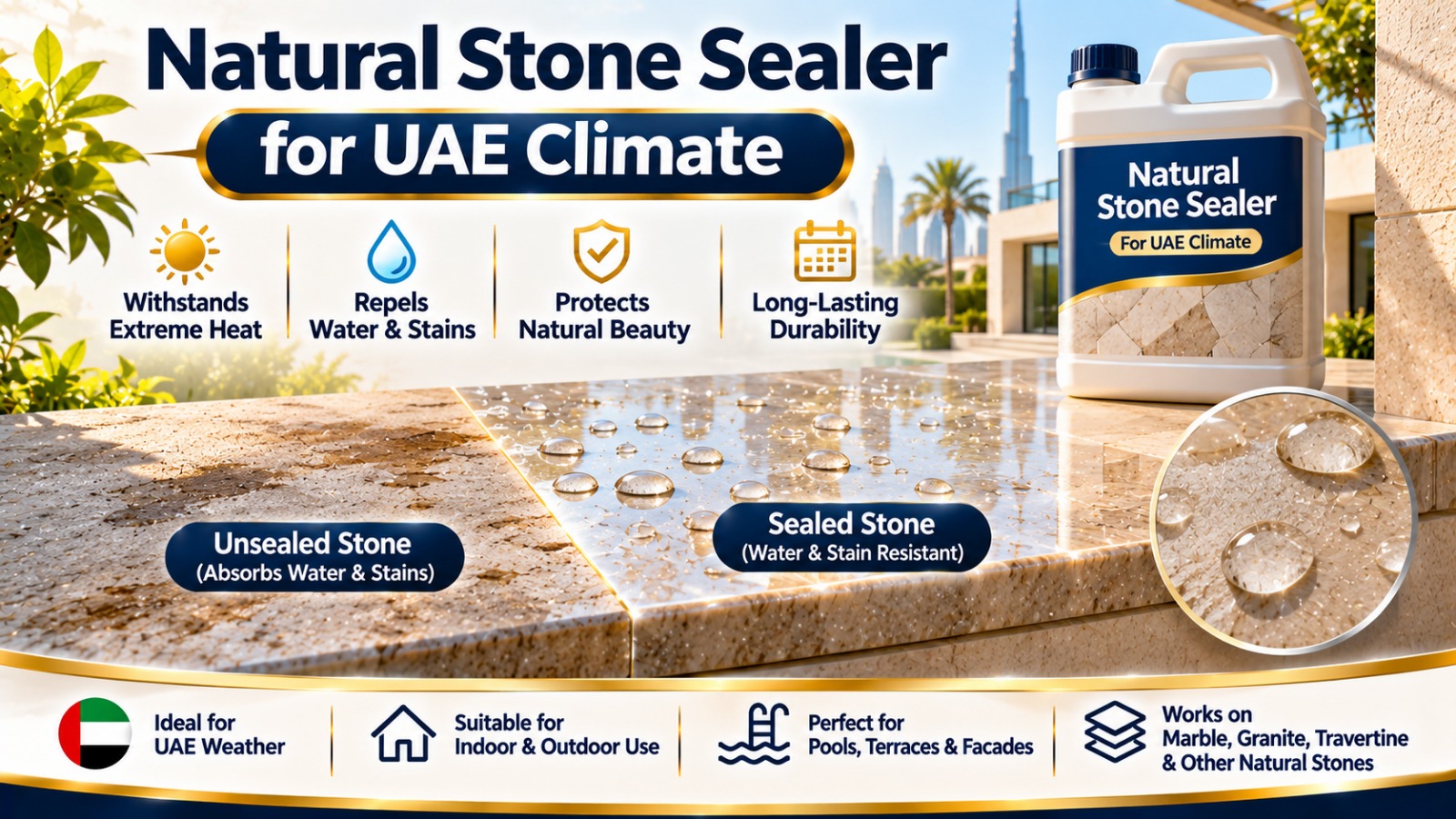
Ask a stone specialist whether your marble needs an impregnating sealer.
Remember that sealing can improve resistance to certain stains, but it does not make marble completely stain-proof or prevent acid etching.
Choose Quality Marble with Savan Store
Selecting suitable marble is an important step in creating attractive and durable interiors. Savan Store offers natural stone options for different residential and commercial applications.
Explore the Savan Store website and browse the Natural Stone Collection to discover available materials for your project.
Understanding the causes of surface damage also helps you maintain your marble after installation and preserve its natural appearance.
Conclusion
Understanding Marble Etching vs Staining makes it easier to identify surface damage and choose the correct treatment. Etching is caused by chemical reactions that affect the marble finish, while staining occurs when substances penetrate the stone and cause discolouration.
With prompt spill cleanup, suitable cleaning products, and professional restoration when necessary, you can protect marble floors, countertops, and other surfaces. Knowing the difference helps maintain the beauty and performance of natural marble for years.