Marble Slab Dry Lay Inspection: A Complete Guide Before Installation
What Is Marble Slab Dry Lay Inspection?
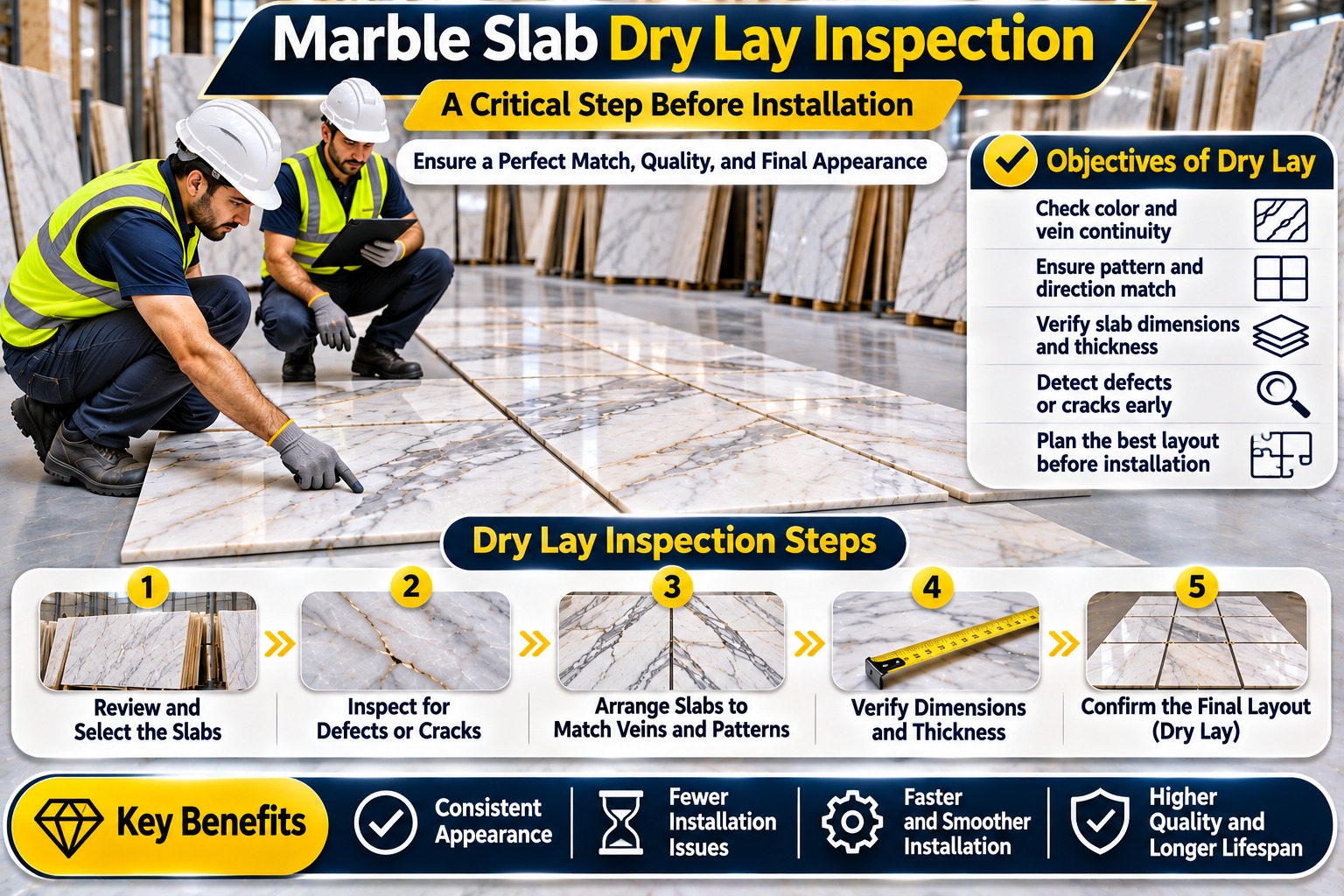
Marble Slab Dry Lay Inspection is an important preparation step before installing natural marble surfaces. It involves arranging marble slabs in their intended sequence without permanently fixing them in place. This process allows homeowners, designers, contractors, and installers to examine the overall appearance and identify potential issues before installation begins.
Because marble is a natural material, every slab has its own colors, veins, patterns, and variations. Marble Slab Dry Lay Inspection helps ensure that these natural characteristics work together to create a balanced and attractive finish.
This process is particularly valuable for luxury villas, hotels, commercial buildings, countertops, flooring, staircases, and decorative wall applications.
Why Is Marble Slab Dry Lay Inspection Important?
Marble slabs can look different when viewed individually compared with how they appear when placed next to each other. A proper Marble Slab Dry Lay Inspection makes it easier to evaluate the complete surface before installation.
Important benefits include:
Color consistency: Compare shades and natural color variations between slabs.
Vein matching: Review how marble veins connect or complement adjacent pieces.
Pattern arrangement: Check the overall appearance of the planned installation.
Defect identification: Identify visible cracks, chips, holes, or unwanted imperfections.
Waste reduction: Plan slab positioning and cutting before work begins.
Customer approval: Allow clients and designers to approve the arrangement before fixing the marble.
Without Marble Slab Dry Lay Inspection, unexpected differences may become noticeable only after installation, when adjustments can be more difficult and expensive.
How Does Marble Slab Dry Lay Inspection Work?
A professional Marble Slab Dry Lay Inspection generally follows several organized steps.
1. Preparing the Marble Slabs
First, installers inspect the available slabs and clean their surfaces to make natural colors and patterns easier to evaluate. Each slab should be identified and positioned safely on a suitable, stable surface.
2. Arranging Slabs in Sequence
The marble pieces are placed next to each other according to the planned installation layout. This allows the team to compare colors, veins, and patterns across the complete area.
3. Checking Vein Matching
Vein matching is particularly important for bookmatched marble designs and large decorative surfaces. Marble Slab Dry Lay Inspection helps determine whether the veins create a continuous, symmetrical, or visually balanced appearance.
4. Identifying Surface Imperfections
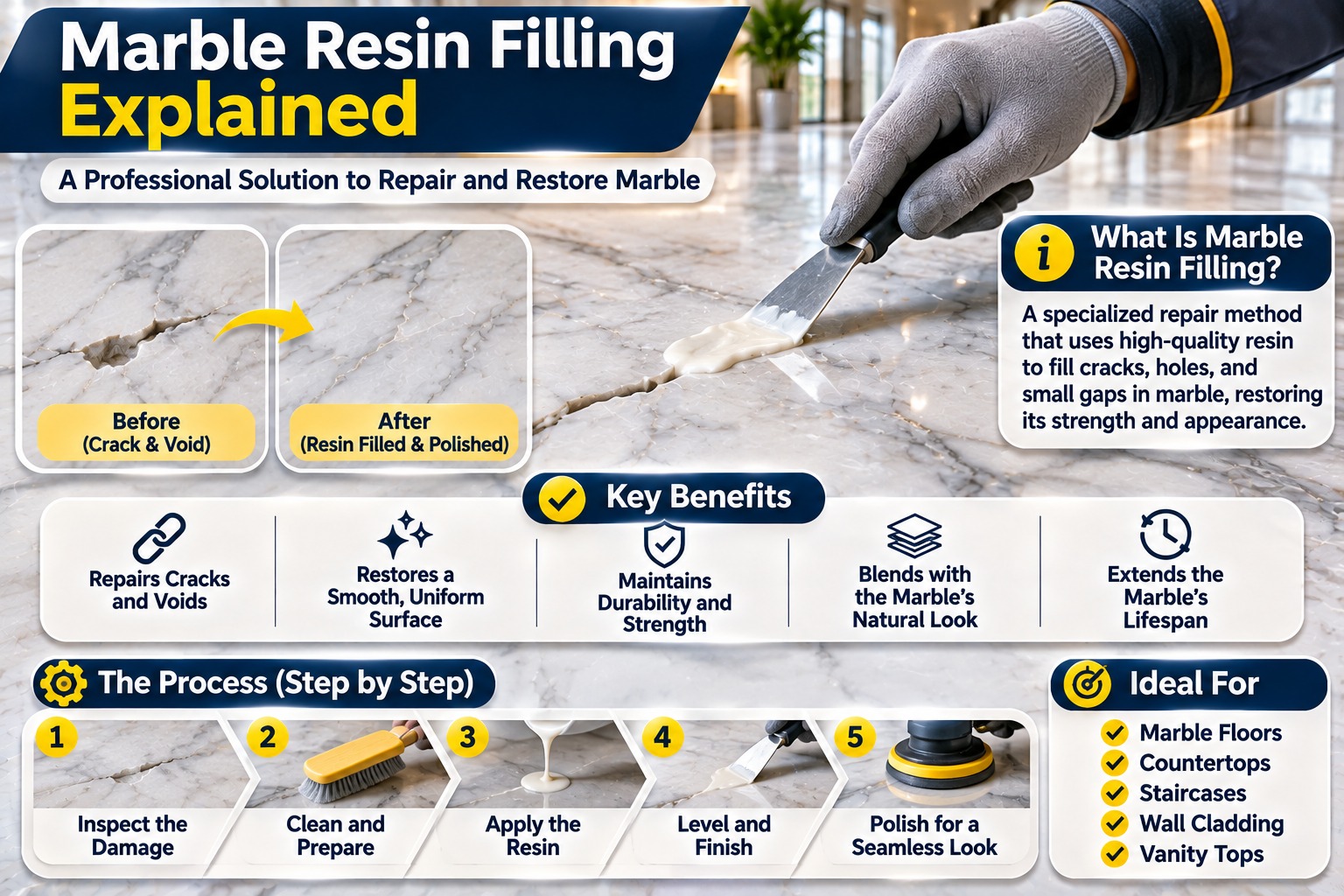
Each slab should be examined for visible cracks, scratches, chips, resin-filled areas, and other natural characteristics. Not every variation represents a defect, so the intended appearance and agreed quality standards should guide the assessment.
5. Marking and Approving the Layout
After reviewing the arrangement, installers can mark cutting positions and slab sequences. Photographs and layout references can also help preserve the approved design during installation.
What Should Be Checked During Inspection?
A detailed Marble Slab Dry Lay Inspection should cover several important quality considerations:
Color variation: Confirm that the selected slabs create the desired visual effect.
Vein direction: Check whether the veins follow the intended design.
Thickness: Verify that slab thickness is suitable for the application.
Edges: Examine edges for chips, cracks, and damage.
Surface finish: Review whether the polished, honed, or other selected finish is consistent.
Dimensions: Confirm measurements before cutting and fabrication.
Existing repairs: Identify resin treatments and filled areas where visible.
These checks help reduce installation surprises and improve the final result.
Applications of Marble Slab Dry Lay Inspection
Marble Slab Dry Lay Inspection is useful in several residential and commercial projects.
Marble Flooring
For large flooring areas, arranging slabs beforehand helps create a coordinated appearance throughout living rooms, entrances, corridors, and luxury interiors.
Marble Countertops
Kitchen islands and countertops benefit from careful slab selection, especially when the design requires attractive vein positioning and consistent colors.
Marble Wall Cladding
Feature walls and decorative installations often require careful pattern coordination. Dry laying helps designers evaluate the arrangement before permanent fixing.
Marble Staircases
Stair treads and risers should be checked for suitable dimensions, appearance, and vein direction to achieve a consistent finish.
Common Mistakes to Avoid
Even when performing Marble Slab Dry Lay Inspection, some mistakes can affect the final installation:
Inspecting slabs individually without reviewing the complete arrangement.
Ignoring natural color and pattern differences.
Failing to check dimensions before cutting.
Overlooking visible cracks or damaged edges.
Changing the approved slab sequence during installation.
Not documenting the final layout.
Working with experienced stone professionals helps prevent these issues and supports better project coordination.
Choosing Marble for Your Project with Savan Store
Selecting suitable marble requires attention to appearance, quality, dimensions, and intended application. Through proper Marble Slab Dry Lay Inspection, buyers and project teams can evaluate available materials before proceeding with fabrication and installation.
Explore natural stone options through Savan Store and browse the Natural Stone Collection to discover materials for residential and commercial projects.
Conclusion
Marble Slab Dry Lay Inspection is an essential step for achieving attractive and well-coordinated marble installations. It allows professionals and customers to evaluate colors, veins, dimensions, surface conditions, and slab arrangements before permanent installation.
Whether the project involves flooring, countertops, staircases, or decorative walls, careful inspection helps reduce unexpected problems and supports a more consistent final appearance. Planning the layout in advance is a practical way to protect the investment in natural marble.